
Renters Insurance Explained: How Coverage Works for Tenants
- Walter. J
- Jan 31
- 3 min read

Renters insurance is often misunderstood or overlooked, especially by first-time tenants. Many renters assume their landlord’s insurance covers their personal belongings or provides protection if something goes wrong inside the unit. In most cases, that isn’t true.
This guide explains how renters insurance works in the U.S., what it typically covers, what it doesn’t, and why it plays an important role even when you don’t own the property.
What Renters Insurance Is
Renters insurance is a type of insurance policy designed for people who rent their home, apartment, or condo. It’s commonly referred to as an HO-4 policy.
Unlike homeowners insurance, renters insurance does not cover the building itself. That responsibility belongs to the landlord. Instead, renters insurance focuses on protecting the tenant’s financial interests.
How Renters Insurance Differs From Homeowners Insurance
The biggest difference is ownership.
Homeowners insurance covers the structure of the home and the owner’s belongings.
Renters insurance covers the tenant’s belongings and certain liabilities, but not the building.
Even though renters don’t own the property, they still face many of the same risks homeowners do — theft, fire, water damage, and liability claims — without the protection of a homeowners policy.
What Renters Insurance Typically Covers
While coverage details vary by policy, renters insurance usually includes three main components.
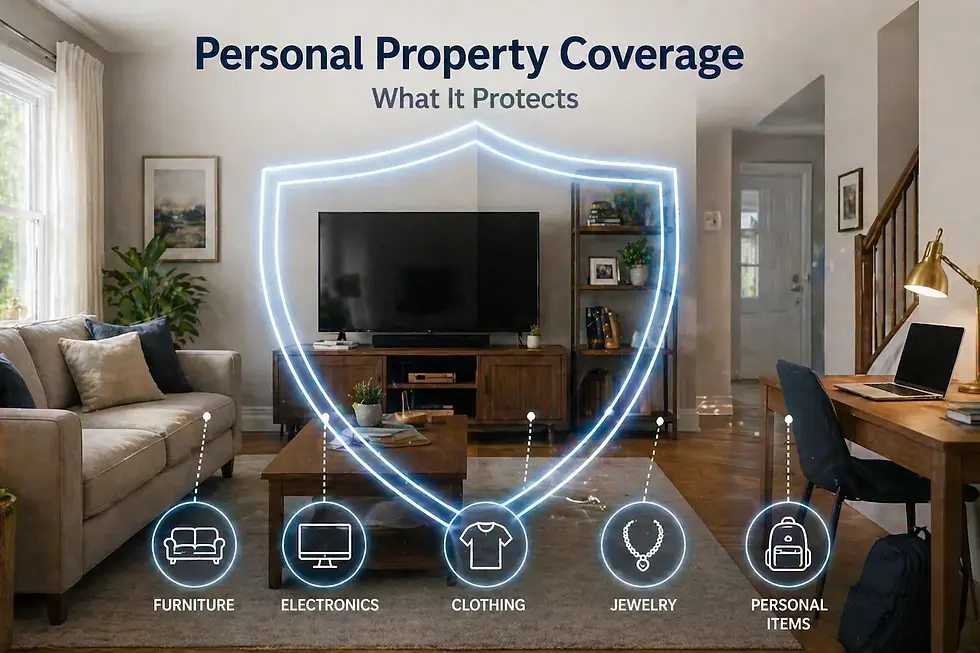
Personal Property Coverage
This covers your personal belongings if they’re damaged or stolen due to a covered event, such as:
Fire or smoke
Theft or vandalism
Certain types of water damage
Windstorms or hail (depending on location)
Clothing, furniture, electronics, and other personal items are generally covered, even if they’re not inside the rental unit at the time of loss.
Personal Liability Coverage
Liability coverage helps protect you if someone is injured while visiting your rental or if you accidentally cause damage to someone else’s property.
This can include legal defense costs and settlements, up to the policy’s limits.
Additional Living Expenses (Loss of Use)
If your rental becomes uninhabitable due to a covered loss, renters insurance may help pay for:
Temporary housing
Meals
Other necessary living expenses
What Renters Insurance Usually Does Not Cover
Renters insurance has limitations and exclusions that tenants should understand.
Common exclusions include:
Damage to the building itself
Flood damage (requires separate coverage)
Earthquake damage (requires separate coverage)
Normal wear and tear
Certain high-value items above policy limits
Valuable items such as jewelry or collectibles may require additional coverage if their value exceeds standard limits.
Common Misunderstandings About Renters Insurance
Renters insurance is often misunderstood, which leads many tenants to go without it.
Some common misconceptions include:
“My landlord’s insurance covers my belongings.”It usually doesn’t.
“I don’t own much, so I don’t need coverage.”Replacing belongings can be expensive.
“Renters insurance is only for apartments.”It can apply to houses, condos, and other rented spaces.
Understanding what renters insurance actually does can prevent unpleasant surprises after a loss.
When Renters Insurance Is Required
While renters insurance is not legally required in most states, many landlords require tenants to carry a policy as part of the lease agreement.
Landlords may require proof of coverage and specify minimum liability limits, but they cannot control what personal property coverage you choose.
Key Takeaways for Renters
Renters insurance protects your belongings, not the building
Landlord insurance does not cover tenant property
Liability coverage is an important part of renters insurance
Coverage limits and exclusions matter
Renters insurance can help cover temporary living expenses
Renters insurance is designed to protect tenants from financial loss — even when they don’t own the property.
Check out our Amazing!


Comments