
How Life Insurance Is Priced: What Affects Your Premiums
- Amber. C
- Feb 1
- 3 min read

Life insurance premiums are not random, and they’re not based on a single factor. Instead, insurers evaluate a combination of personal, financial, and policy-related details to determine how much coverage costs.
This guide explains the main factors that influence life insurance pricing in the U.S. and why two people applying for similar coverage may receive very different premiums.
Age
Age is one of the most significant factors in life insurance pricing.
In general:
Younger applicants pay lower premiums
Premiums increase as age increases
Locking in coverage earlier can reduce long-term costs
This is because life insurance is priced around risk over time. The longer the expected coverage period, the greater the uncertainty for the insurer.
Health and Medical History
Health plays a major role in determining life insurance premiums.
Insurers may consider:
Height and weight
Blood pressure and cholesterol
Medical conditions (past or current)
Family medical history
Some policies require a medical exam, while others use health questionnaires or data-based underwriting. The healthier the applicant appears to be, the lower the perceived risk — and often, the lower the premium.
Lifestyle Factors
Certain lifestyle choices can affect life insurance pricing.
Common examples include:
Tobacco or nicotine use
High-risk hobbies or occupations
Driving history
Travel habits in certain regions
These factors help insurers assess the likelihood of a claim during the policy term.
Coverage Amount and Policy Length
The amount of coverage and the length of the policy directly impact cost.
Higher death benefits generally mean higher premiums
Longer policy terms usually cost more than shorter ones
Permanent policies typically cost more than term policies
This reflects the increased financial obligation taken on by the insurer.
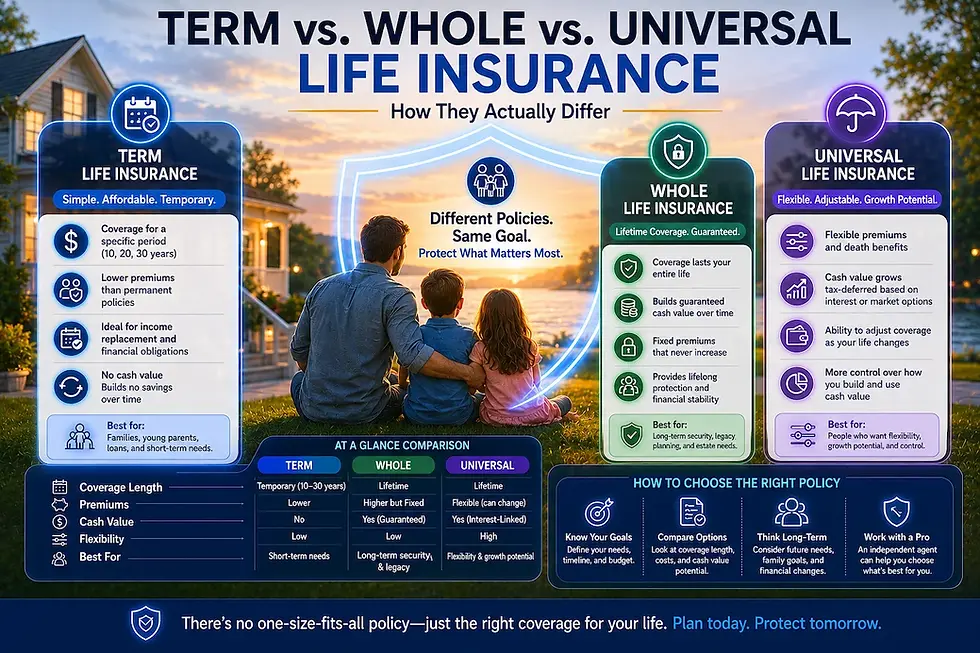
Type of Life Insurance Policy
The structure of the policy itself affects pricing.
Term life insurance is generally the least expensive option
Whole life insurance includes guaranteed lifetime coverage and cash value
Universal life insurance offers flexibility but can vary in cost based on funding and interest assumptions
Permanent policies tend to cost more because they are designed to last for the insured’s entire lifetime.
Underwriting Classifications
Applicants are often placed into rate classes based on overall risk.
Common classifications include:
Preferred
Standard
Substandard
Each classification corresponds to a different pricing tier, even for the same policy type and coverage amount.
Payment Structure and Policy Design
How premiums are structured can also influence cost.
Examples include:
Level vs increasing premiums
Single-pay or limited-pay options
Riders added to the policy
Additional features may increase premiums but also expand coverage or flexibility.
Why Prices Vary Between Individuals
Life insurance pricing reflects individual risk. Two people of the same age may receive different premiums due to differences in health, lifestyle, or policy design.
Understanding this variability helps explain why comparing policies requires more than just looking at price.
Why Life Insurance Quotes Often Surprise People
Many people are caught off guard when they first see life insurance quotes, even after understanding the basic pricing factors.
This usually happens because:
Small health details can affect pricing more than expected
Smoking status can outweigh age differences
Longer policy terms increase cost faster than many assume
As a result, two people with similar profiles may receive noticeably different premiums, even when applying around the same time.
Common Ways People Misinterpret Life Insurance Pricing
Life insurance premiums are often misunderstood, which can lead to incorrect assumptions when comparing policies.
Common misreads include:
Assuming the cheapest quote is always bestLower premiums may come with shorter terms or different coverage structures.
Expecting premiums to change annuallyMany term life policies lock in rates for the length of the term.
Comparing quotes without matching coverage detailsDifferences in term length or benefit amount can make prices appear misleading.
Understanding these nuances helps explain why prices vary and prevents confusion during the shopping process.
Key Takeaways
Life insurance premiums are based on multiple factors
Age and health are major pricing drivers
Policy type and coverage amount matter
Lifestyle and underwriting classifications affect cost
Pricing reflects risk, not just coverage size
Life insurance pricing makes more sense when viewed as a reflection of long-term risk rather than a fixed cost.
Check out our Amazing!


Comments