
What Happens After a Home Insurance Claim? (From Damage to Payment)
- Walter. J
- Dec 20, 2025
- 4 min read

Home insurance claims are often more stressful and complex than people expect. Unlike auto claims, which usually involve a single vehicle and a defined repair process, home claims can affect the structure you live in, your personal belongings, and your daily routine for months. Understanding how the claim process actually works helps homeowners avoid delays, reduce disputes, and make better decisions during an already difficult time.
The process begins when a loss occurs. This could be a sudden event, such as a fire, storm, or burst pipe, or a situation that develops over time, like hidden water damage. The first responsibility of the homeowner is to prevent further damage if it is safe to do so. Temporary repairs, such as boarding up windows or shutting off water, are expected and often required under the policy’s conditions. These actions help preserve the property and demonstrate reasonable care.
Once the immediate situation is under control, the claim must be reported to the insurance company. Most insurers allow claims to be filed online, by phone, or through a mobile app. The information provided at this stage becomes the foundation of the claim. Dates, descriptions, and initial estimates matter. Inconsistent or incomplete details can slow the process or raise questions later, especially for larger losses.
After the claim is opened, an adjuster is assigned. The adjuster’s role is to investigate the loss, confirm that it is covered, and determine how much the insurer will pay under the policy. This does not mean the adjuster decides what coverage you have. Coverage is determined by the policy language and the limits shown on the declarations page. The adjuster applies those terms to the facts of the loss.
An inspection is usually scheduled next. For smaller claims, this may involve photos or videos submitted by the homeowner. For more significant damage, the adjuster may visit the property in person. During the inspection, the adjuster documents the scope of damage, identifies affected areas, and notes any signs of prior or unrelated damage. This step is critical, as it forms the basis for the repair estimate.
The estimate outlines the cost to repair or replace damaged property using pricing software that reflects local labor and material costs. This is where many homeowners become frustrated. The insurer’s estimate may differ from a contractor’s proposal, not necessarily because the insurer is acting unfairly, but because estimates often reflect different assumptions about materials, methods, or scope. Disputes at this stage are common and do not automatically mean a claim will be denied.
Coverage review happens alongside the estimating process. The adjuster evaluates whether the damage falls under covered perils and applies exclusions where appropriate. For example, sudden water damage from a burst pipe may be covered, while long-term seepage may not be. Understanding this distinction is essential, as many homeowners assume all water damage is treated the same.
Once coverage is confirmed, the insurer issues payment. Home insurance claims are often paid in stages. An initial payment may be issued for the actual cash value of the damage, which accounts for depreciation. If the policy includes replacement cost coverage, additional payments are made after repairs are completed and documented. This reimbursement structure surprises many homeowners who expect a single lump-sum payment.
If a mortgage is involved, payments may be issued jointly to the homeowner and the lender. Lenders have a financial interest in the property and often require proof that repairs are completed before releasing funds. This can add time and paperwork to the process but is a normal part of insured homeownership.
Large or complex claims may involve supplemental payments. As repairs begin, contractors may uncover additional damage that was not visible during the initial inspection. When this occurs, the contractor submits a supplemental estimate to the insurer. The adjuster reviews the new information and, if approved, issues additional payment. This back-and-forth is common and does not necessarily indicate a problem with the claim.
Disputes can arise over scope, pricing, or coverage interpretation. Many policies include an appraisal clause, which allows each party to hire an appraiser to resolve disagreements about the value of the loss. Understanding this option can help homeowners navigate conflicts without escalating unnecessarily.
Timing varies widely depending on the type of loss, severity of damage, and responsiveness of all parties involved. Small claims may resolve in weeks, while major losses can take months. Staying organized, keeping records of communication, and responding promptly to requests for information can significantly improve the experience.
One of the most common mistakes homeowners make during a claim is assuming the insurer manages the entire repair process. While insurers pay for covered damage, the homeowner is typically responsible for selecting contractors, overseeing repairs, and ensuring work is completed properly. Insurance restores financial position, not project management.
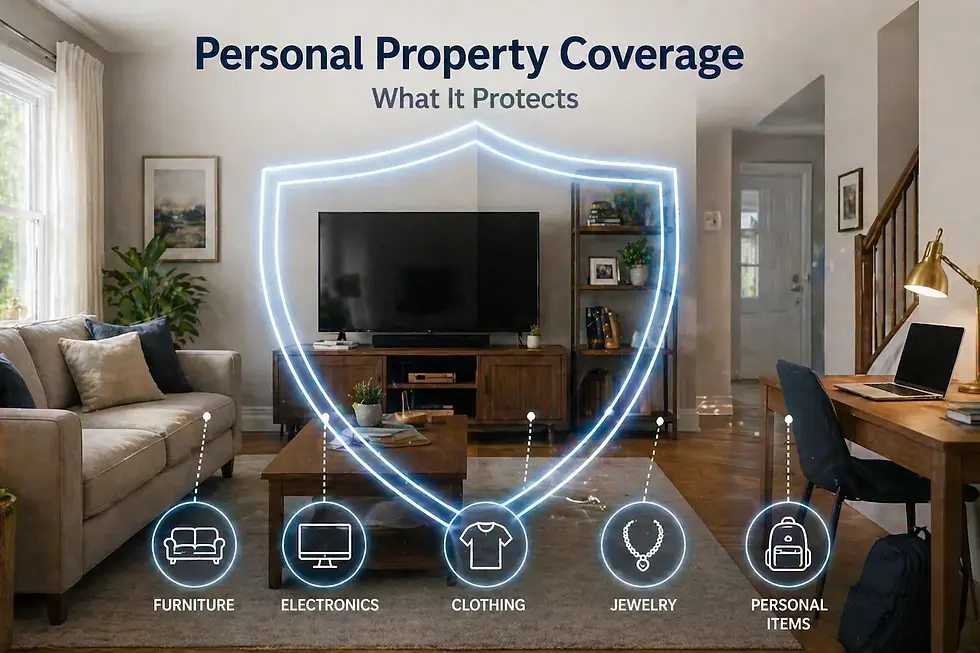
Another frequent issue is misunderstanding coverage limits. Dwelling coverage limits apply to structural repairs, while separate limits apply to personal property, loss of use, and other coverages. Exhausting one limit does not automatically increase another. This distinction often becomes clear only during a claim.
Loss of use or additional living expense coverage may apply if the home is uninhabitable. This coverage helps pay for temporary housing, meals, and related costs above normal living expenses. Documentation is important, as insurers reimburse based on actual incurred expenses.
The claim concludes when repairs are completed, payments are finalized, and any recoverable depreciation is released. At that point, the homeowner should review the outcome carefully and consider whether coverage limits and deductibles still make sense going forward. Claims often reveal weaknesses in a policy that were not obvious before the loss.
Understanding the home insurance claim process does not eliminate stress, but it does reduce uncertainty. Homeowners who know what to expect are better prepared to make informed decisions, ask the right questions, and ensure their coverage functions as intended when it matters most.
Check out our Amazing!


Comments